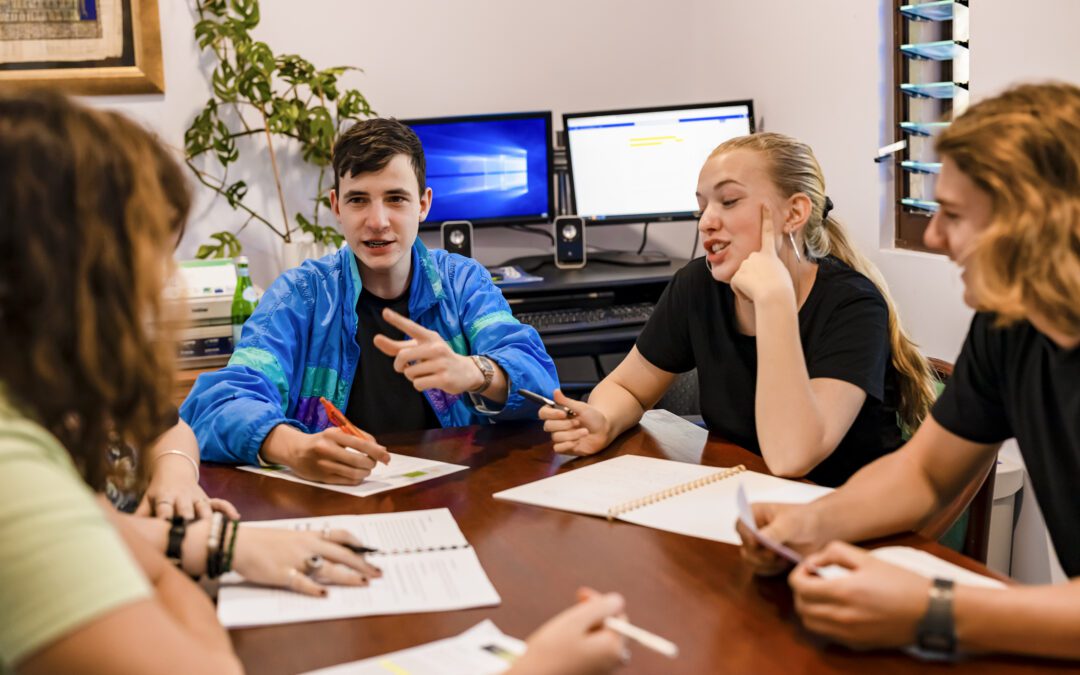
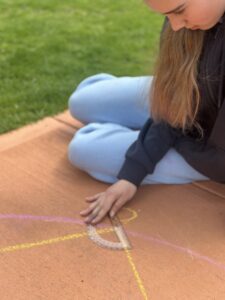
Walk into the Steiner High School and the first thing you notice is the difference in pace. Teenagers are debating ideas face to face, sketching in Main Lesson books, building models, working with wood, mapping landforms or measuring angles in the sunshine instead of behind screens. They are learning to communicate, to concentrate, to create. Not because technology is banned, but because these human capacities come first.


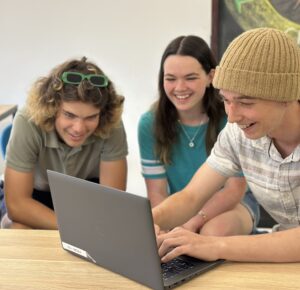
When digital tools do appear, it is with purpose. Older students use laptops for research, mapping, design and media arts, but they do so with intention rather than habit. They have spent years strengthening the abilities that technology cannot replace. Creativity. Discernment. Collaboration. Deep thinking. A healthy sense of self.
There is no denying that technology is racing ahead faster than any of us can keep up, but what are the costs to the development of the adolescent brain?
At Parkerville Steiner College this question sits at the heart of our approach and has done, in a sense, for over a century. Rudolf Steiner expressed concerns about what might be lost if young people were not given adequate time or opportunity to develop their own imagination, judgement and inner life before meeting powerful external influences. Today, in the age of constant connectivity, his insights feel startlingly current.
Steiner Education places human development before digital skills. Not because technology is unwelcome, but because adolescents need time and experience to build a sense of self before being immersed in the online world.
In a world accelerating toward automation, Parkerville Steiner College offers something quietly radical. It gives teenagers the chance to grow into themselves before they plug in. And perhaps that is the part of education that matters most.